Information
Landmark: Tallinn Cathedral (Dome Church)City: Tallinn
Country: Estonia
Continent: Europe
Tallinn Cathedral (Dome Church), Tallinn, Estonia, Europe
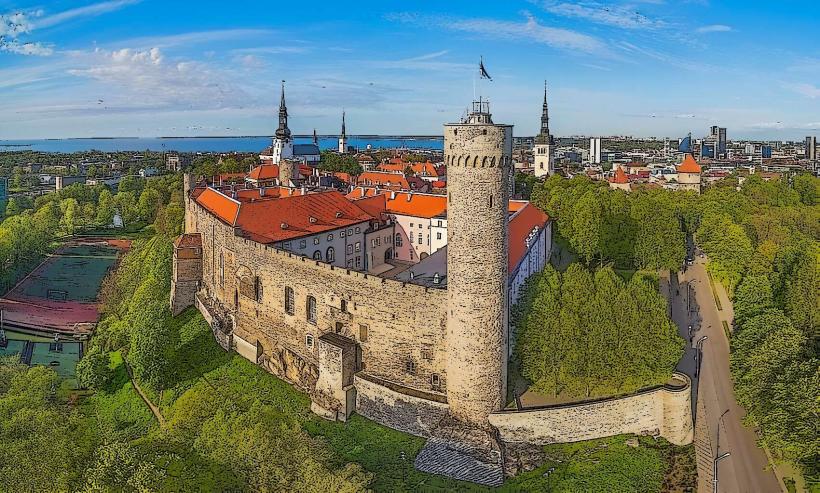
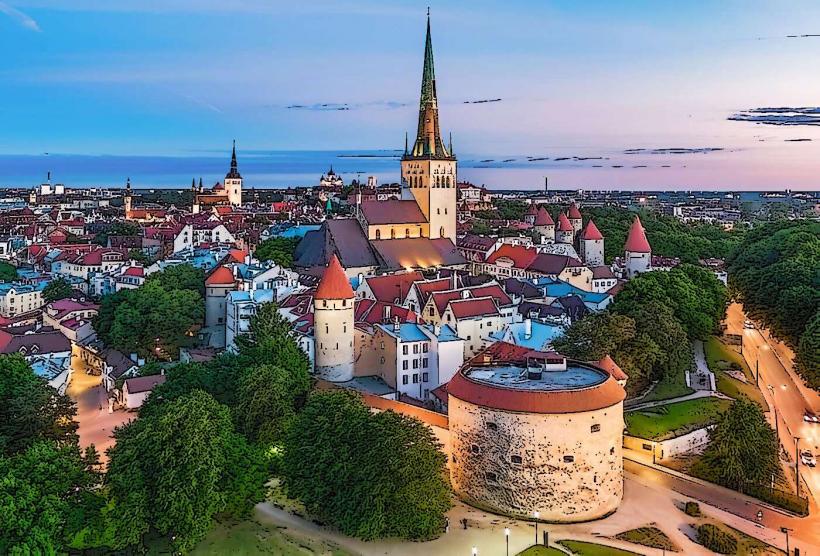
Tallinn Cathedral (Dome Church, Toomkirik) is one of the most significant and historic landmarks in Tallinn, known for its stunning architecture, rich history, and prominent location on Toompea Hill. The cathedral is a key feature of Tallinn's medieval Old Town and has been at the center of religious and cultural life in Estonia for centuries.
Historical Background
Foundation: The Tallinn Cathedral was originally built in the 13th century, with the first structure erected around 1219. It was initially established as a Catholic church during the period of Danish rule over Estonia, following the conquest of the region by the Danish king Valdemar II.
Name and Significance: Known as the Dome Church or Tallinn Cathedral (Toomkirik in Estonian), the name "Dome" refers to the cathedral's location on the hill (Toompea Hill), which is a prominent feature of Tallinn's Old Town. The word "Toom" in the name refers to the local medieval term for the hill, associated with the bishop's residence and the ecclesiastical authority.
Protestant Reformation: In the 16th century, following the Protestant Reformation, the church transitioned from Roman Catholicism to Lutheranism and has remained a Lutheran church to this day. It is the mother church of the Estonian Evangelical Lutheran Church.
Expansion and Renovations: Over the centuries, the cathedral has undergone several renovations and expansions. The most significant changes occurred during the 14th and 15th centuries, when the church was enlarged and its Gothic elements were added. Its architecture was influenced by the growing importance of Tallinn as a key city in the Hanseatic League.
Symbol of Power and Authority: The Tallinn Cathedral has long been associated with Tallinn's ruling elite, including the Danish, Swedish, and Russian rulers. It has served as the burial place for many of Estonia’s nobility, as well as high-ranking clergy, contributing to its historical importance.
Architectural Features
Exterior:
- Gothic Architecture: The Tallinn Cathedral is a prime example of Gothic architecture. Its exterior features pointed arches, tall windows, and flying buttresses that were typical of medieval European cathedral design.
- Stone Facade: The church’s stone facade is austere yet elegant, with a simple portal and several small Gothic windows. The building's twin towers are prominent in Tallinn’s skyline, and the church is one of the tallest buildings in the Old Town.
- Bell Tower: The church's tower, which stands at 69 meters (226 feet), is one of the most recognizable features of the cathedral. The bell tower has been reconstructed several times, and it serves as the center for Tallinn's Lutheran community.
Interior:
- Gothic Vaulting: The interior of the cathedral is notable for its vaulted ceilings, with Gothic ribbed vaulting that creates an expansive and soaring space inside. The use of stone and wooden beams adds to the cathedral’s medieval ambiance.
- Altars: The main altar is a simple but striking structure, reflecting the Lutheran tradition of austere and functional worship. The altar is complemented by a wooden pulpit and other furnishings typical of Lutheran churches.
- Tombstones and Memorials: Inside, the cathedral is filled with tombstones of various historical figures, especially nobles and bishops. The floor is covered with memorial slabs that mark the resting places of Estonia's high society from the medieval and early modern periods.
- Organ: The cathedral houses a historic pipe organ, which is one of the largest in the country. It is used for regular services and special concerts, and its powerful sound fills the space, enhancing the spiritual atmosphere.
Art and Decoration:
- Paintings and Sculptures: Though the church's interior is relatively austere compared to some other European cathedrals, there are a number of religious paintings and sculptures that add artistic value. Some of these date back to the medieval period and offer insight into the religious and cultural context of Tallinn in the past.
- Chandeliers and Candles: The church’s lighting is provided by large, ornate chandeliers, which, together with the candles, create a solemn and spiritual atmosphere, especially during evening services.
Cultural and Religious Significance
Religious Hub: Tallinn Cathedral is an important Lutheran church and remains the main church of the Estonian Evangelical Lutheran Church. It is used for regular services, including Sunday services, as well as for special religious events, such as weddings, baptisms, and funerals.
Historic Burial Site: The cathedral serves as the final resting place for many of Tallinn’s prominent historical figures, particularly from the nobility and church hierarchy. Among the notable graves are those of the Danish kings, including Valdemar II, who played a key role in the early history of the church.
Soviet Era: During the Soviet occupation of Estonia (1940-1991), the Tallinn Cathedral, like many religious institutions, was heavily suppressed. The church was closed for a time, but it remained a symbol of resistance for Estonians. After Estonia regained independence, the cathedral was reopened for worship and restored as a cultural and religious site.
Cultural Center: In addition to its religious functions, the Tallinn Cathedral also hosts a variety of cultural events, including organ concerts, classical music performances, and choir recitals. The cathedral’s acoustics are well-suited for musical events, and the church plays an important role in Tallinn’s vibrant cultural scene.
Visitor Experience
Exploring the Cathedral:
- Visitors can enter the Tallinn Cathedral to explore its interior and enjoy the medieval atmosphere. The tombstones, wooden furnishings, and Gothic arches create a powerful sense of history and spirituality.
Climbing the Tower:
- The tower of the cathedral is accessible to visitors, offering stunning views over Tallinn. From the top, visitors can look out over the city’s Old Town, the sea, and the surrounding area. The climb to the top is rewarded with breathtaking panoramas of the Estonian capital.
Museum Exhibits:
- The cathedral also hosts exhibits about its history, including the church’s role in Tallinn’s medieval past, its religious transformations, and its architectural evolution. Visitors can learn more about the church's history and its role in the development of Tallinn.
Photography:
- The church is a favorite among photographers, especially those interested in Gothic architecture and medieval church interiors. The views from the tower are also a popular subject for photographs.
Practical Information
Location: Tallinn Cathedral is located on Toompea Hill, at the highest point of the city. It is a short walk from other major landmarks in Tallinn’s Old Town.
Opening Hours: The cathedral is typically open for visitors during the day, though it may be closed during certain religious services or events. It’s a good idea to check the opening hours before visiting.
Admission: While it is free to enter the cathedral for worship, there is usually an admission fee to access the tower and certain exhibits. The fees help support the cathedral’s maintenance and restoration efforts.
Why Visit Tallinn Cathedral (Dome Church)?
Historical and Cultural Significance: The cathedral is one of Tallinn’s oldest and most historically important buildings, offering insights into Estonia’s medieval past, its religious history, and its cultural evolution.
Architectural Beauty: The Gothic design, intricate interior, and impressive tower make the cathedral a must-see for lovers of medieval architecture and religious art.
Panoramic Views: The climb to the top of the tower offers some of the best views in Tallinn, with expansive vistas over the Old Town, the sea, and the surrounding landscapes.
Cultural and Religious Heritage: Tallinn Cathedral continues to serve as an active place of worship, and its role in Estonian religious life adds a unique dimension to any visit. The church also hosts concerts and cultural events, offering visitors a chance to experience Tallinn's spiritual and artistic heritage.
The Tallinn Cathedral (Dome Church) is a key part of Tallinn's historical and cultural landscape. Whether you are interested in its medieval architecture, its historical significance, or simply want to enjoy the breathtaking views of the city, this cathedral offers a rich and rewarding experience.